Best AI for Photorealistic Images (2026)
TL;DR
GPT Image 2 High is the current Atlas pick for photorealistic images. It leads the photorealism node at 4.155. Seedream 4.5 is the strongest standard-price alternative at 4.045, and Nano Banana 2 is close behind at 4.021.
Recommended Benchmarks
- Best AI Image Generator 2026: 18 Models RankedGPT Image 2 High leads our 18-model blind benchmark (4.16/5, 150 judgments per model). Full ranking, dimension winners, real costs, and where they all fail.
- Best AI Image Generator for Portraits (2026)Best AI image generator for portraits: GPT Image 2 High is the Atlas portrait pick at 4.155, ahead of GPT Image 1.5 at 4.015 and Nano Banana Pro at 3.959.
- Best AI for Fashion Photography 2026: 18 Models RankedGPT Image 1.5 is the best AI image generator for fashion photography: top anatomy, skin texture, and fabric. FLUX.2 Pro is the value champion at $0.035.
- GPT Image 2 Quality Tier Comparison 2026: High vs LowHow the GPT Image 2 quality parameter (low, medium, high) changes tokens, cost, and output. Blind-tested: 4.16 / 4.11 / 3.95, medium is the practical default.
Atlas Photorealism Picks
This table mirrors the Image Bay photorealism node in Atlas. Scores are rounded Sonnet 4.6 public leaderboard scores, so they match the current public data contract for image-model recommendations.
| # | Model | Sonnet Score | Cost/Image | Tier |
|---|---|---|---|---|
| 1 | GPT Image 2 (High) | 4.16 | $0.212 | Premium |
| 2 | Seedream 4.5 | 4.04 | $0.040 | Standard |
| 3 | Nano Banana 2 | 4.02 | $0.067 | Premium |
What Photorealism Tests
Photorealistic prompts are unforgiving because viewers notice small physical mistakes. A model needs material texture, lighting, subject structure, and prompt adherence to work together. A good-looking image can still fail if the hands, reflections, or spatial logic do not hold up.
Useful signals
- Natural material texture instead of plastic smoothing
- Lighting that matches the scene geometry
- Clean edges around people, products, and props
- Prompt details that survive in the final image
Common breaks
- Hands, ears, jewelry, or small props deforming
- Reflections and shadows pointing in the wrong direction
- Background blur bleeding into the subject
- Texture that looks painterly when the prompt asks for a photo
See the Picks Side-by-Side
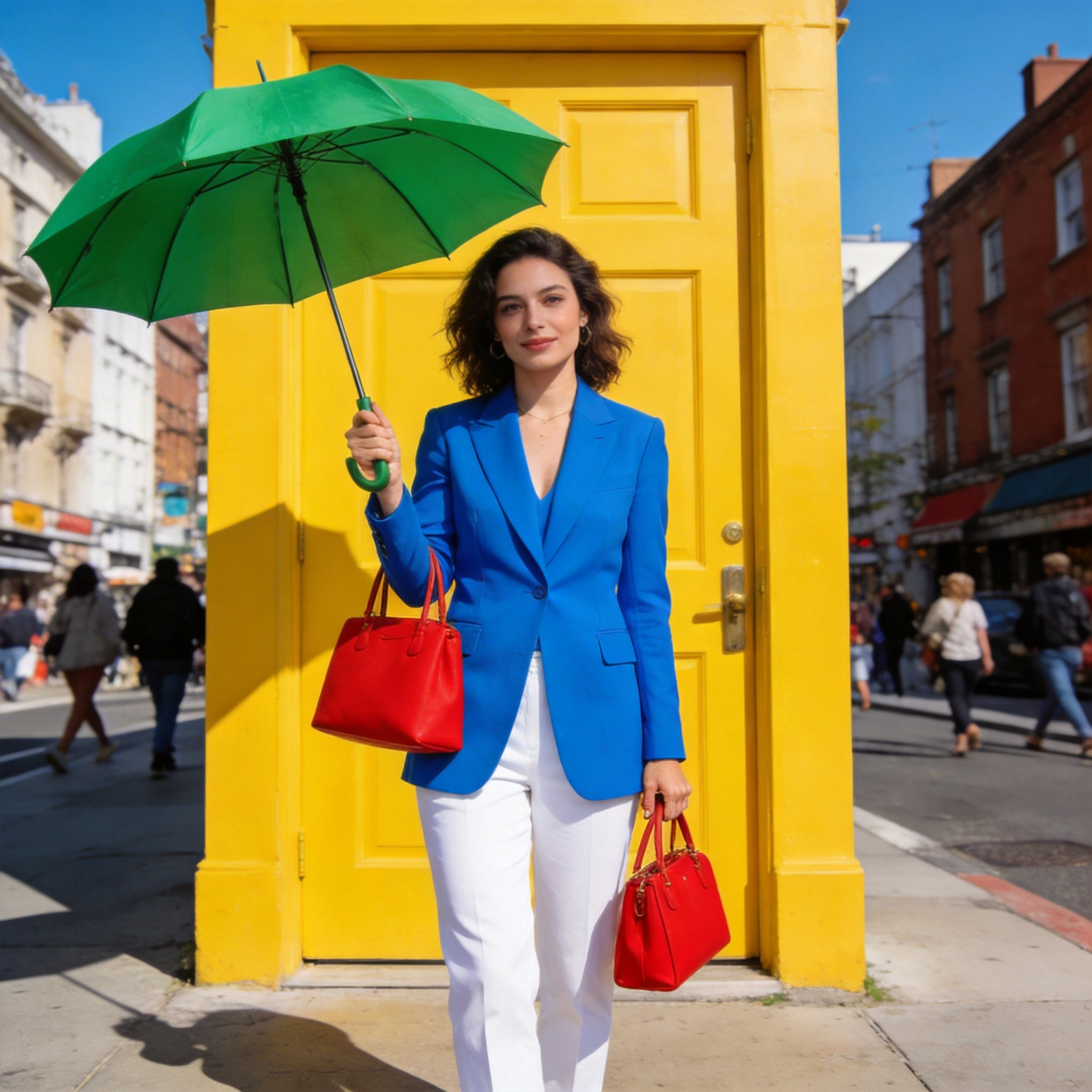
Below, each row shows the three Atlas picks side-by-side on the same prompt - generated and judged blind in three independent Sonnet 4.6 passes. Winners are ringed in accent; hover any image for the judge's rationale, or click to open the lightbox. Three additional fashion-photography prompts are slotted in for visual range; they sit outside the scored Sonnet sample and are clearly tagged.
prompt-0112
Outside the scored Sonnet set - legacy Gemini scores (some models post-date the legacy benchmark)
“Editorial fashion photograph of a model in a flowing crimson silk gown standing at the edge of an infinity pool overlooking Santorini at golden hour,...”

GPT Image 2 (High)
—
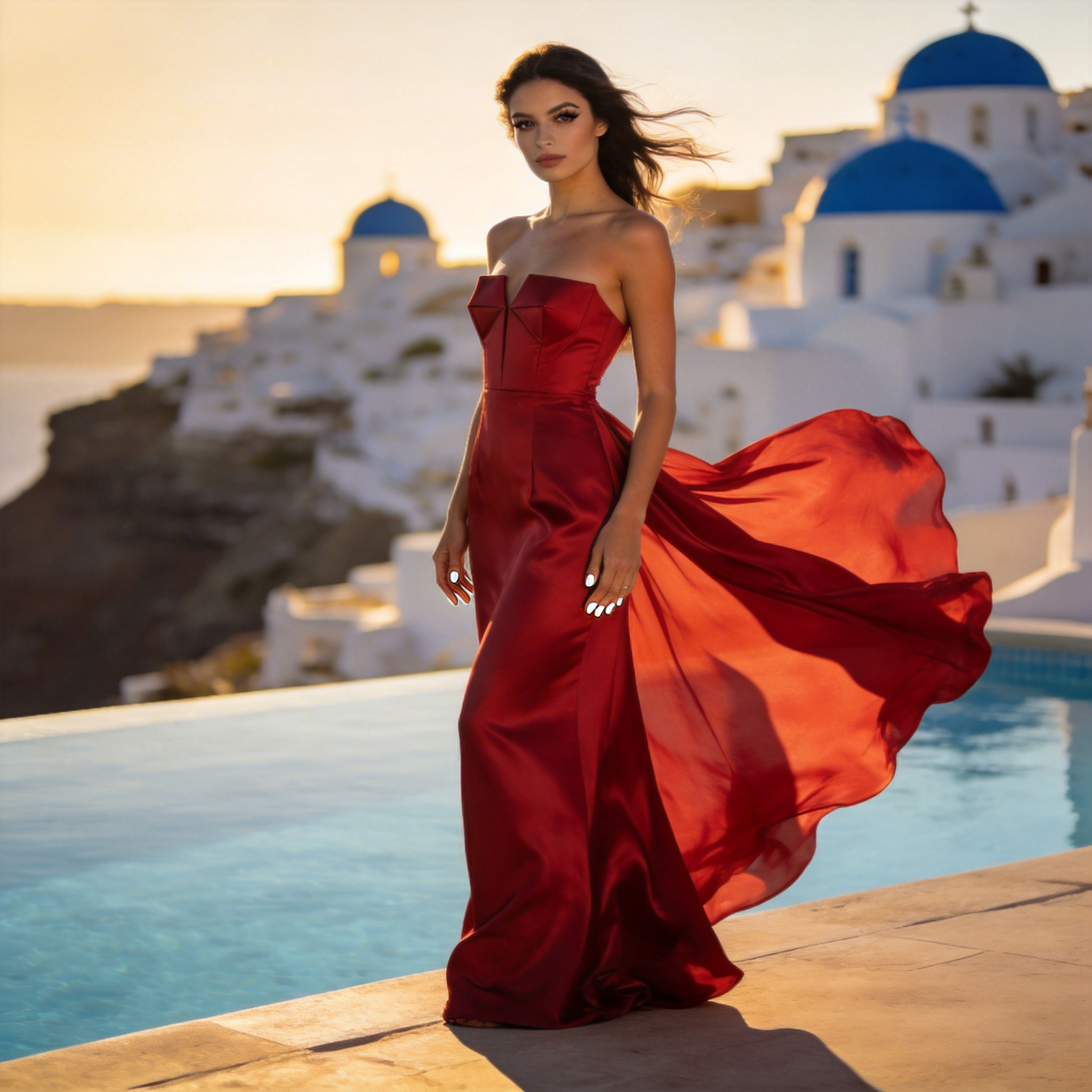
Seedream 4.5
4.10

Nano Banana 2
—
prompt-0053
“Extreme macro close-up of a human eye filling the entire frame, crystalline iris patterns in blue-green, individual eyelashes in sharp focus in...”

GPT Image 2 (High)
4.61
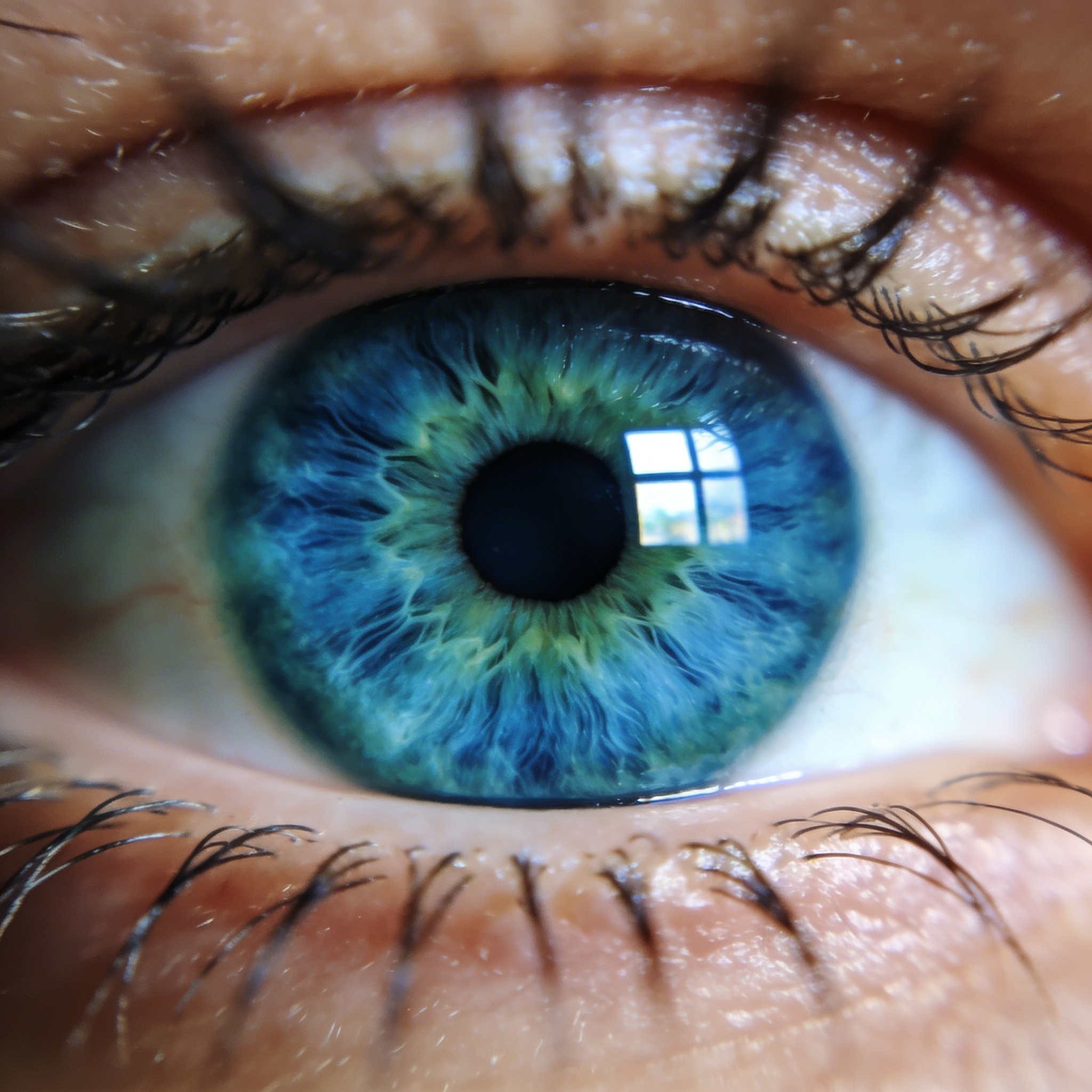
Seedream 4.5
4.63
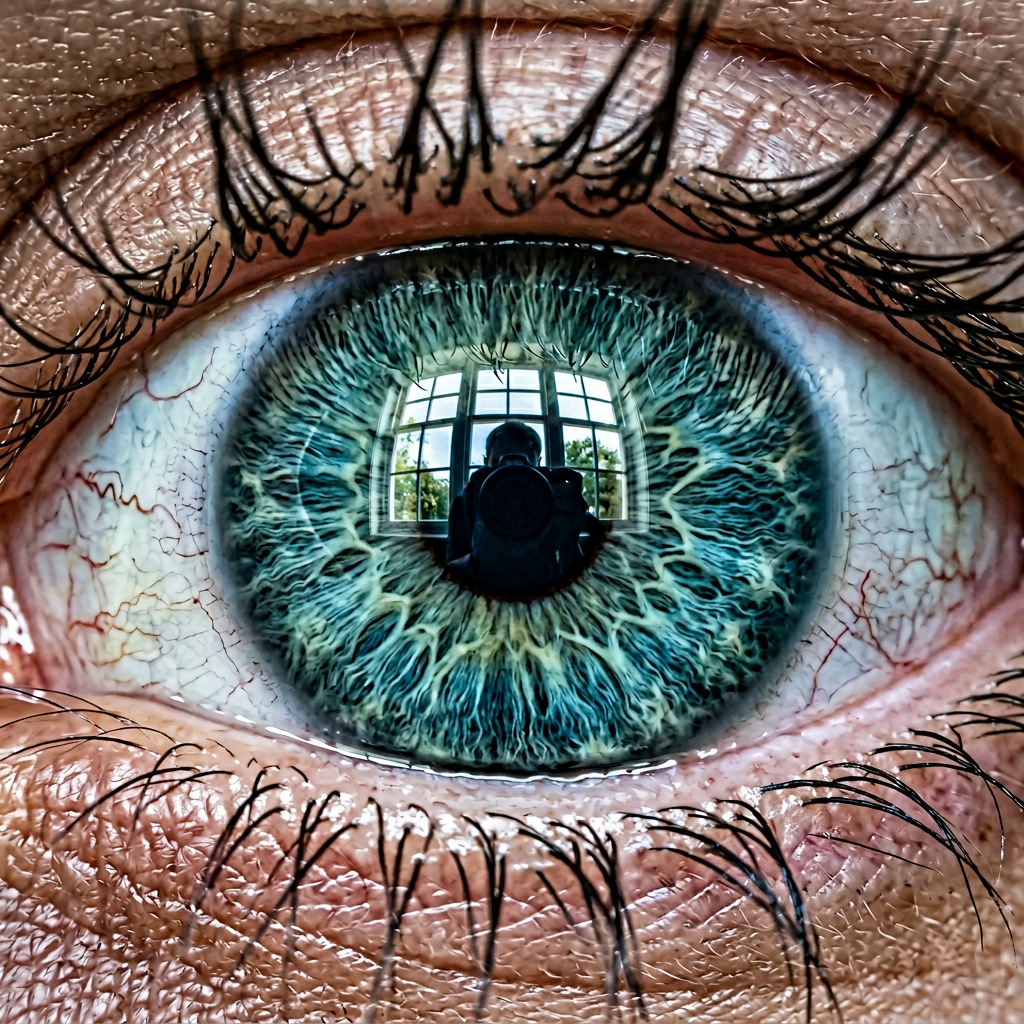
Nano Banana 2
4.60
prompt-0058
“A woman wearing a bright blue blazer and white pants standing in front of a bright yellow door, holding a red handbag in her left hand and a green...”

GPT Image 2 (High)
4.36
Seedream 4.5
4.01

Nano Banana 2
4.50
prompt-0109
Outside the scored Sonnet set - mix of Sonnet and legacy Gemini scores
“High fashion editorial photograph of a model emerging from a swimming pool at twilight, water cascading off a metallic gold lamé gown that clings to...”

GPT Image 2 (High)
3.74
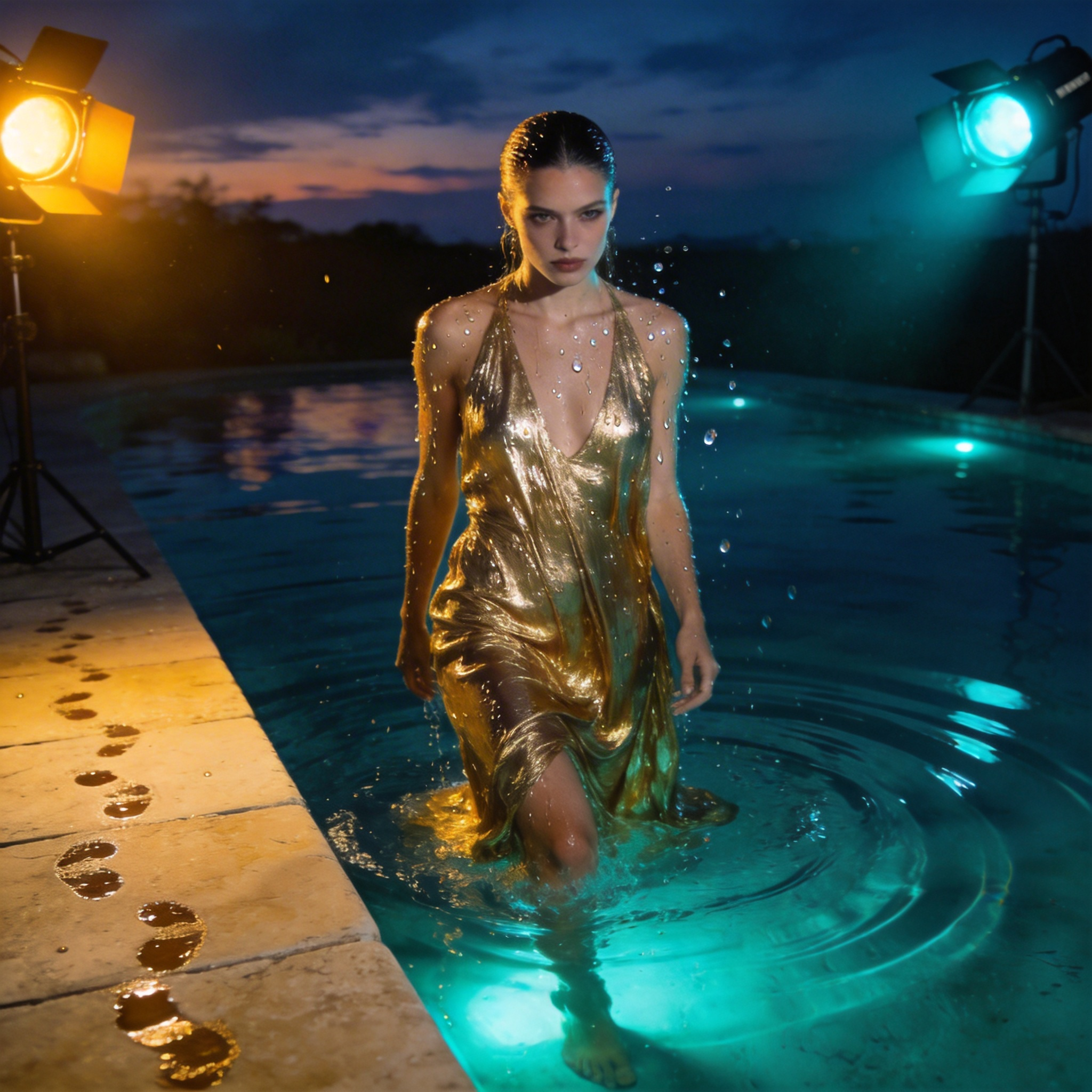
Seedream 4.5
3.91

Nano Banana 2
—
prompt-0073
“Ultra high resolution product photograph of a luxury watch, every microscopic detail of the dial visible, sapphire crystal catching light, brushed...”

GPT Image 2 (High)
4.48
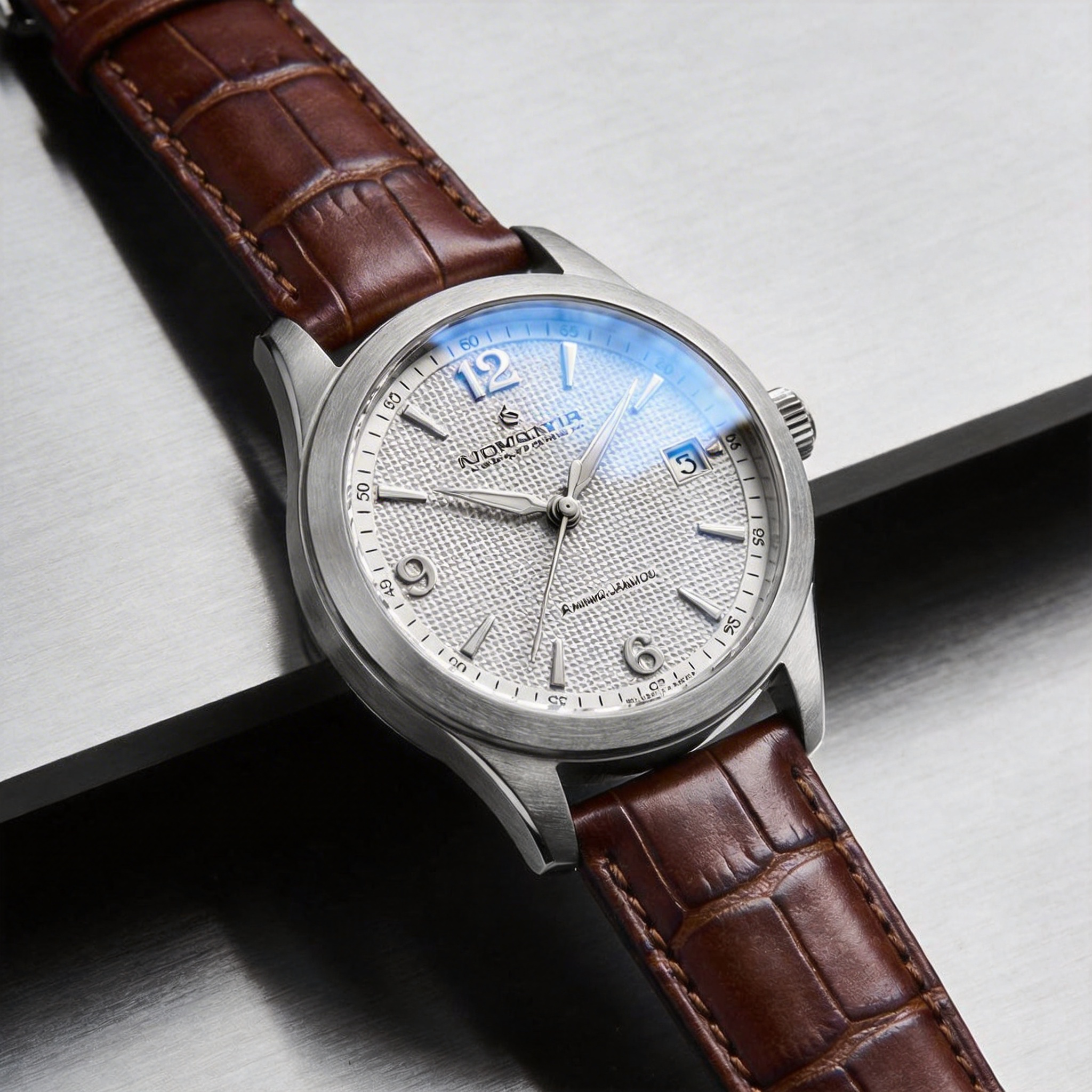
Seedream 4.5
4.24

Nano Banana 2
4.41
prompt-0094
“Photorealistic 3D render of a modern cantilevered house extending over a cliff edge, the building's structural concrete beams clearly visible in the...”

GPT Image 2 (High)
4.29
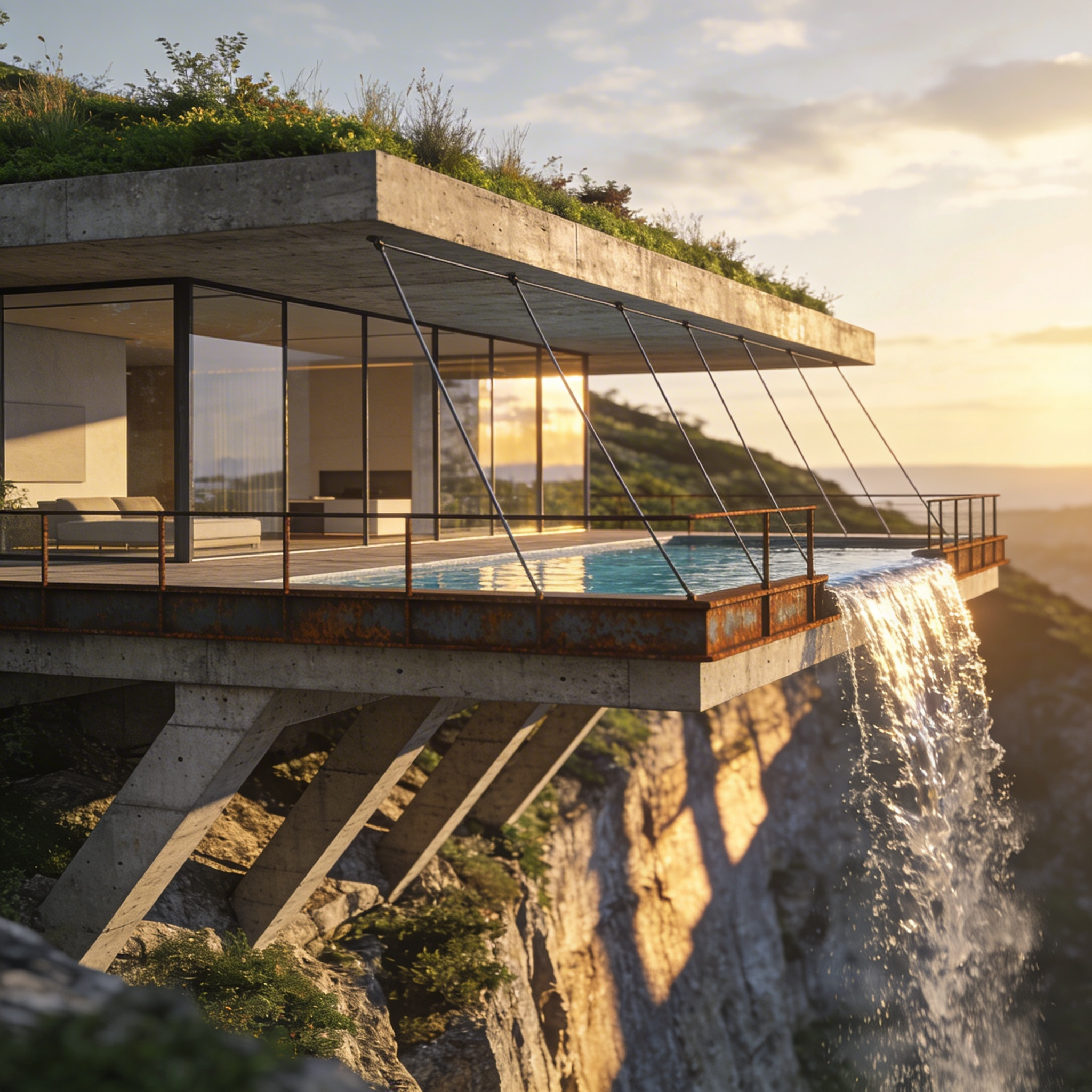
Seedream 4.5
4.08

Nano Banana 2
4.25
prompt-0097
“Balanced rock cairn of seven smooth river stones stacked from largest to smallest on a beach at low tide, each stone's center of gravity precisely...”

GPT Image 2 (High)
4.29
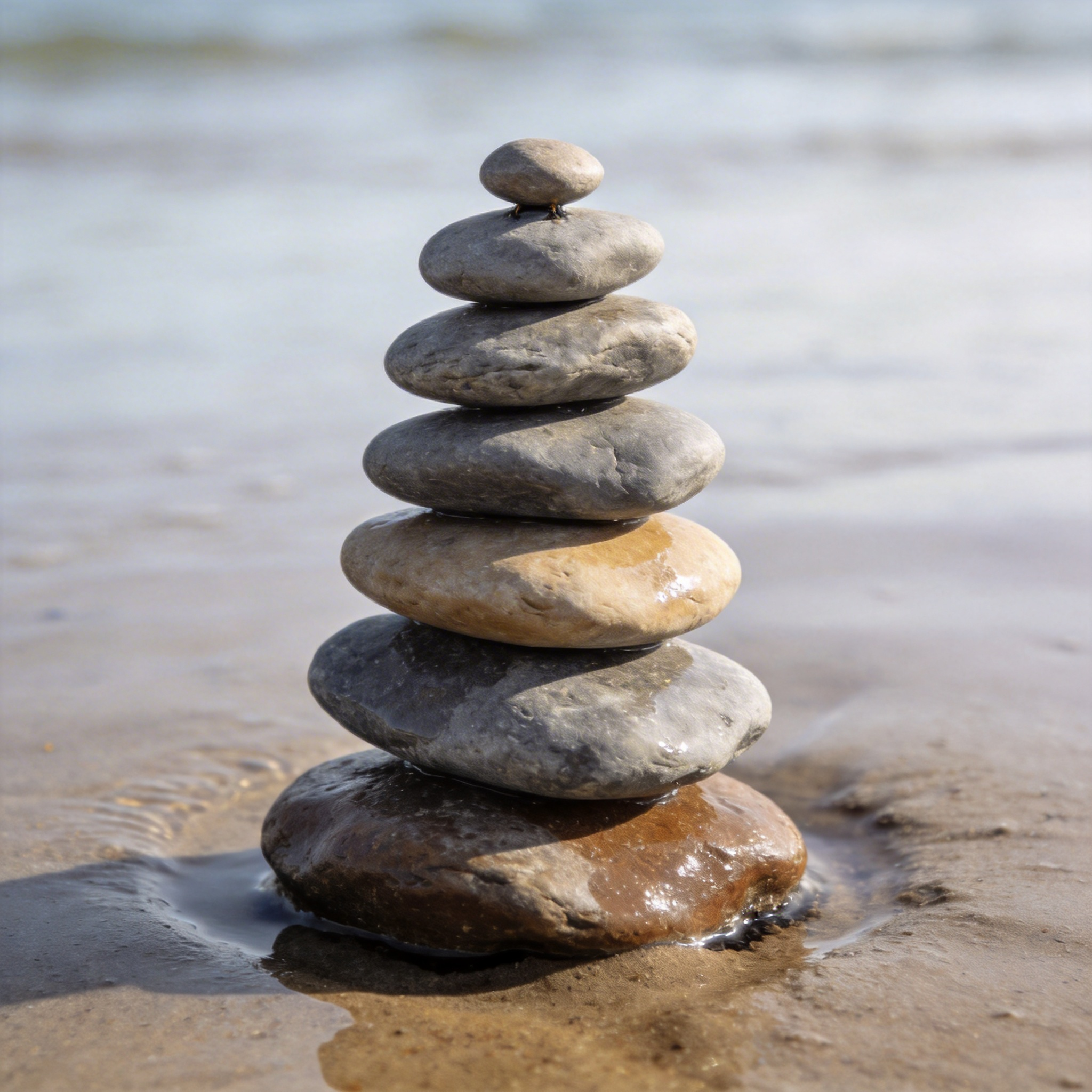
Seedream 4.5
4.04

Nano Banana 2
3.95
prompt-0178
Outside the scored Sonnet set - legacy Gemini scores (some models post-date the legacy benchmark)
“High-fashion cinematic photograph of a model standing in an immense field of lavender in Provence at the moment the sun dips below the horizon, the...”

GPT Image 2 (High)
—
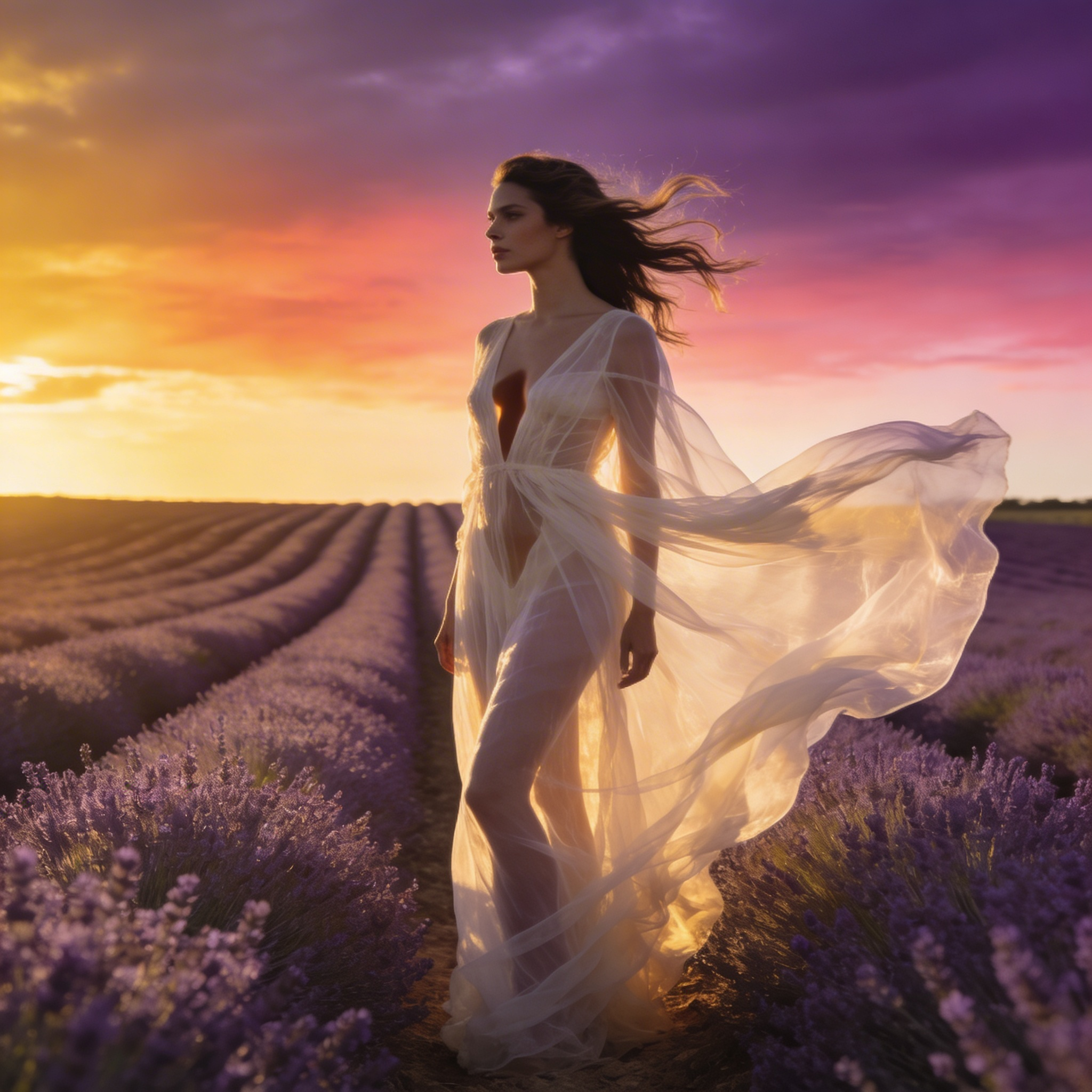
Seedream 4.5
4.85

Nano Banana 2
—
prompt-0102
“High-end commercial photography of a luxury perfume bottle on a black marble surface, the heavy cut crystal bottle refracting an intricate rainbow...”

GPT Image 2 (High)
4.45
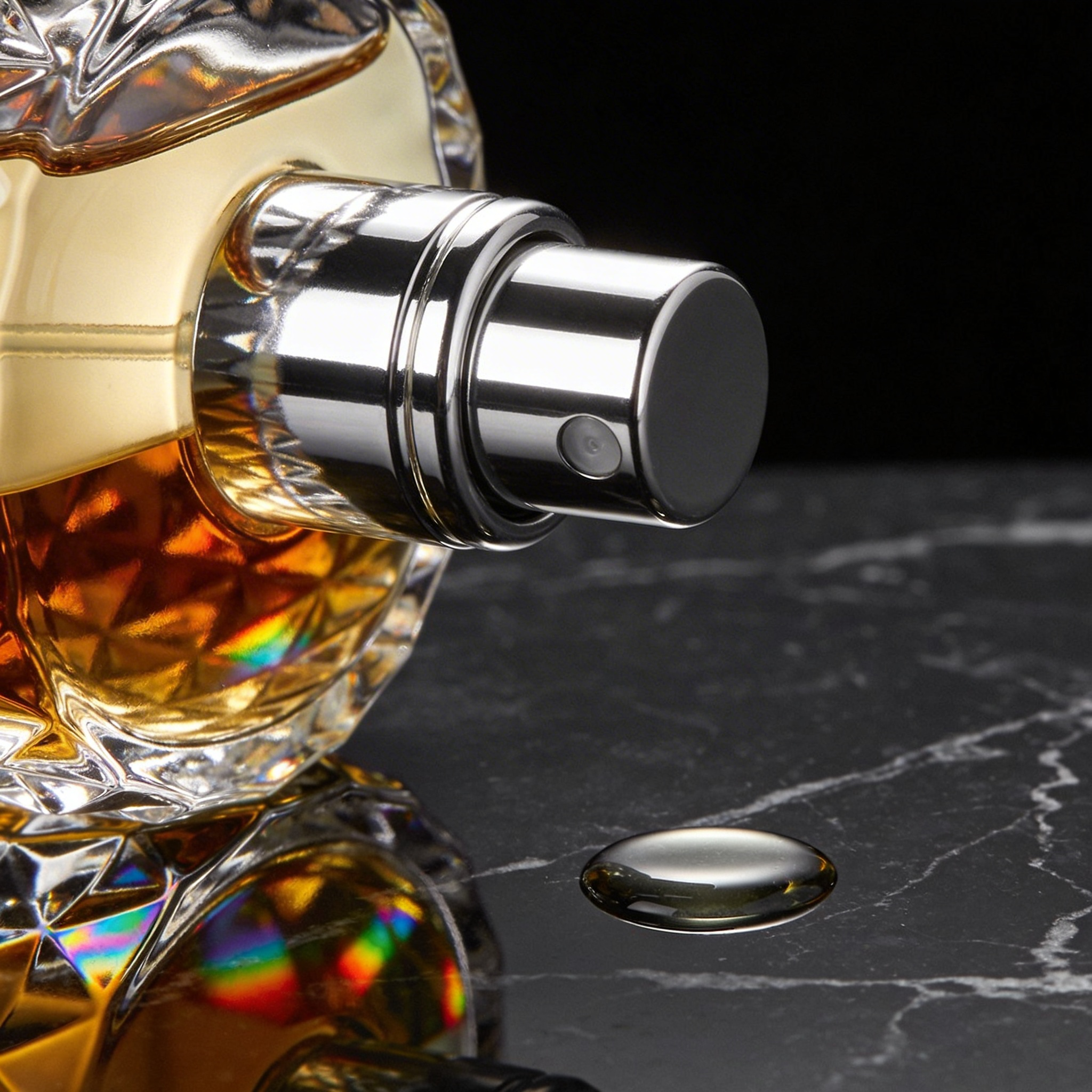
Seedream 4.5
4.55

Nano Banana 2
4.43
prompt-0103
“Freshly poured craft beer in a tulip glass showing distinct layers of carbonation, tiny bubbles nucleating at the base and growing larger as they rise...”

GPT Image 2 (High)
4.46
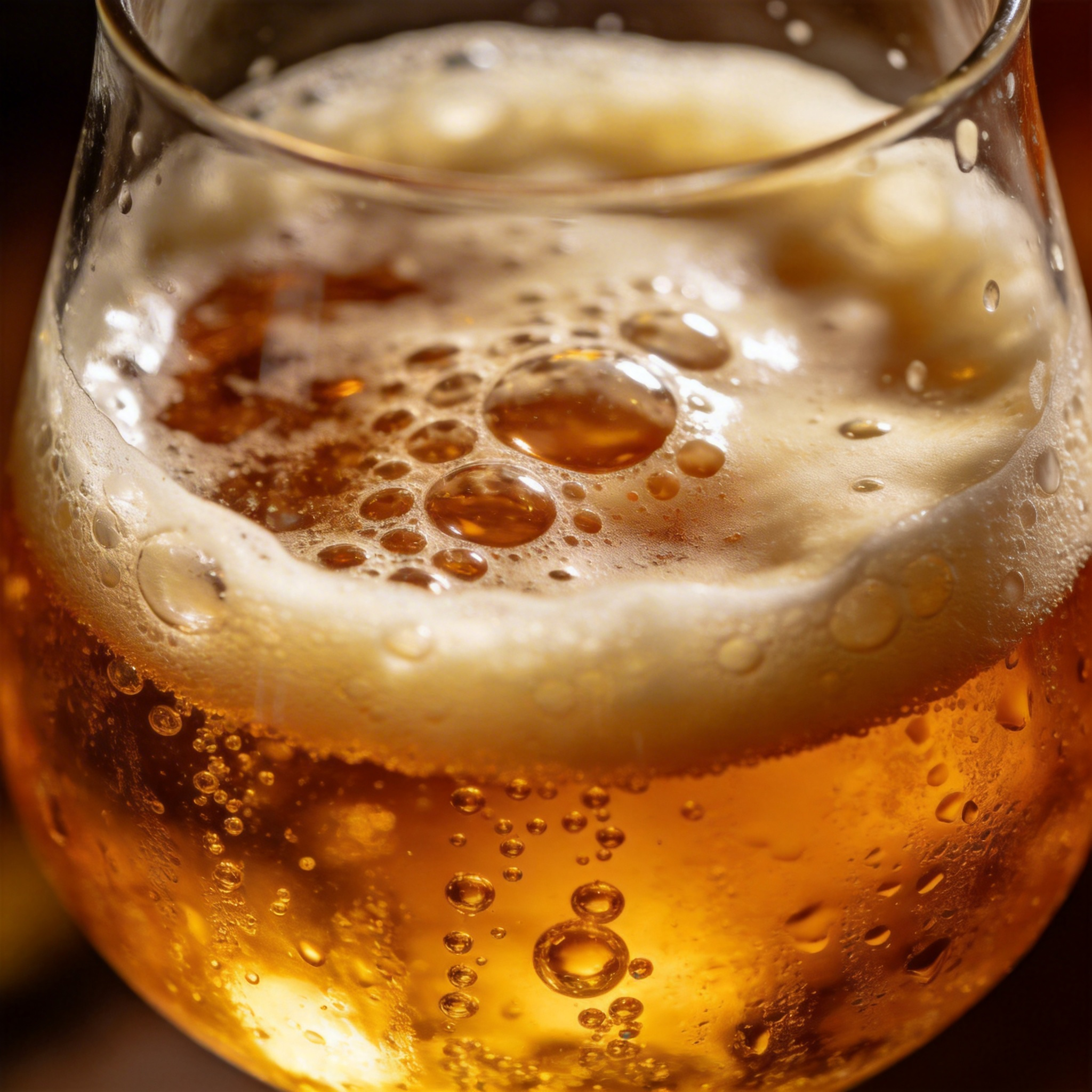
Seedream 4.5
3.96

Nano Banana 2
4.06
prompt-0142
“Product photography of a premium coffee bag standing upright on a marble countertop, the bag made of matte black kraft paper with a clear window...”

GPT Image 2 (High)
4.40
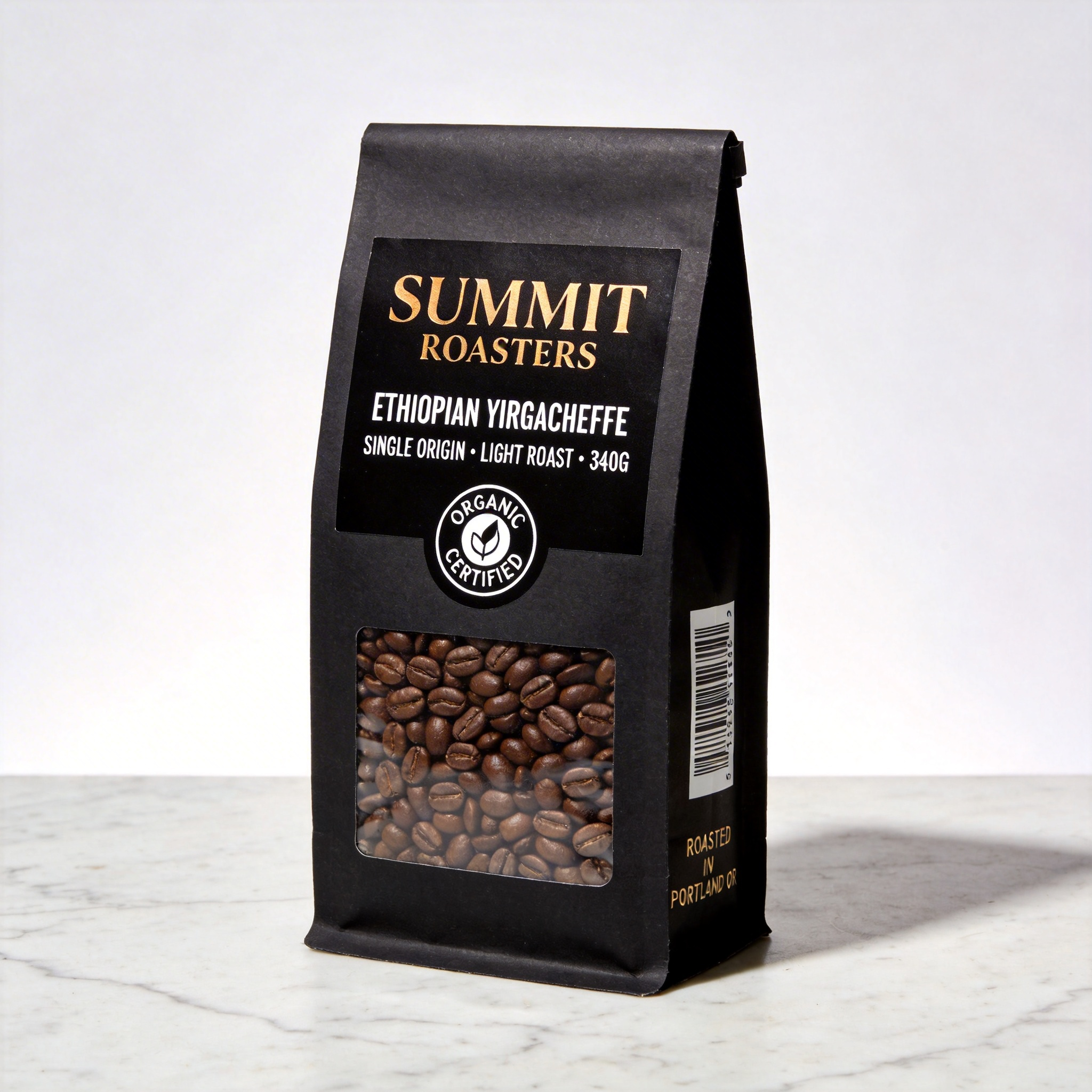
Seedream 4.5
4.51

Nano Banana 2
3.53
prompt-0184
“Magazine-quality food photograph of a freshly sliced medium-rare wagyu ribeye steak on a heated cast iron plate, the cross-section showing...”

GPT Image 2 (High)
4.24
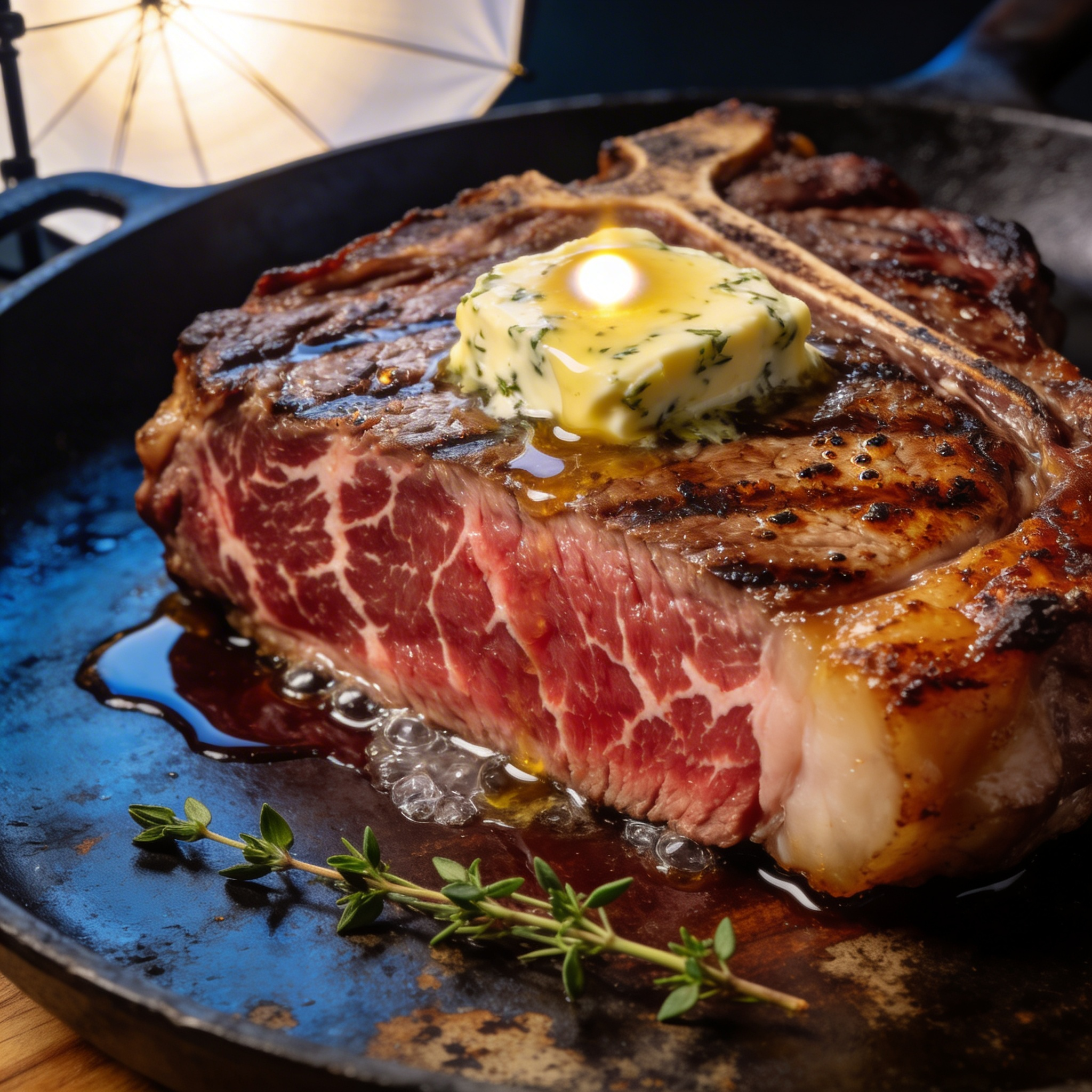
Seedream 4.5
4.05

Nano Banana 2
4.26
Which Model Should You Use?
Best single photoreal render
GPT Image 2 (High)
Use it when the image needs to survive close inspection: product hero shots, editorial scenes, difficult lighting, or dense material detail.
Best standard-price photoreal option
Seedream 4.5
Use it when you want a strong photoreal finish at $0.040/image instead of premium-tier pricing.
Best close premium generalist
Nano Banana 2
Use it when you want a polished generalist close behind the top Sonnet-ranked models, especially for broader image batches.
Strengths and Limitations
GPT Image 2 (High)
Strengths
- +First Atlas pick for photorealism
- +Top current public Sonnet score
- +Best fit when visual fidelity matters more than price
Limitations
- −Premium cost makes large batches expensive
- −May be more than you need for quick drafts or social tests
Seedream 4.5
Strengths
- +Strong photoreal finish at standard-tier pricing
- +Second Atlas photorealism pick
- +Good default when you need many strong-looking variants
Limitations
- −Does not beat GPT Image 2 High on the public score
- −Still costs more than true budget models
Nano Banana 2
Strengths
- +Close third in the Atlas photorealism node
- +Polished generalist for broader image batches
- +Competitive with premium models near the top of the leaderboard
Limitations
- −More expensive than Seedream 4.5
- −Not the first pick when pure photoreal value is the priority
The Practical Takeaway
If you want the safest photoreal output, start with GPT Image 2 High. If you are making many options and need the best quality-per-dollar near the top, start with Seedream 4.5. If your workflow already favors the Nano Banana family, Nano Banana 2 remains close enough to test.
The difference between a good photoreal model and the right photoreal model usually appears in your own prompt style. Run the top three on the same prompt set before standardizing a production workflow.
Related VibeDex Benchmarks
Best Creative AI Platform for E-Commerce (2026)
Best Creative AI Platform for e-commerce: Fotor is the pick for product stills plus product video. Photoroom, Magnific, VEED, CapCut and Krea ranked on proof.
BenchmarksBest Creative AI Platform for Social Creators (2026)
Best Creative AI Platform for social creators: Picsart is the pick for social-ad and UGC talking-head work. CapCut is broader but trust-capped; VEED narrower.
BenchmarksBest Creative AI Platform for Beginners (2026)
Best Creative AI Platform for beginners: Canva is the pick, template-led, free-friendly and pass-trust. Fotor is the cheapest paid entry; Picsart the fallback.
Methodology: Rankings and scores in this article align to VibeDex's current Sonnet 4.6 blind benchmark: 50 prompts, 3 passes, and 150 judgments per model across visual fidelity, physics, subject integrity, and instruction adherence. See our full methodology
FAQ
Which AI makes the most realistic images?
The current Atlas photorealism pick is GPT Image 2 High, with a 4.29 Sonnet benchmark score.
What is the best value photorealistic AI image model?
Seedream 4.5 is the best value pick in the Atlas photorealism node at 4.045 and $0.040/image.
Is this a separate photorealism-only benchmark?
No. This page follows the Atlas photorealism recommendation node and current Sonnet public leaderboard scores, not a separate large photoreal-only sample.
See how every model stacks up
The VibeDex leaderboard ranks 18 image models on a 50-prompt blind benchmark, judged by Claude Sonnet 4.6 across visual fidelity, physics, subject integrity, and instruction adherence.
See the leaderboard →